What Is It and What Are We Doing to Stop It?
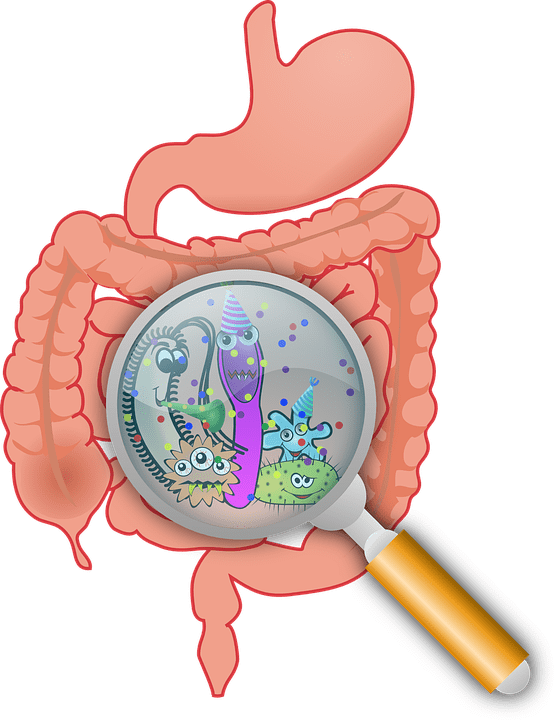
Clostridium difficile is a bacteria that is found in the gut of every living person. So how is it infectious then? Usually when someone is sick and they take antibiotics, some antibiotics are not specific to the pathogen only, so the natural gut microbiome can be weakened and unbalanced. A term used to describe this is dysbiosis. During these period, some gut microbiota, like C. diff, are not weakened and take advantage of the lack of constraints on their power. So, this bacteria releases an A-B toxin that causes inflammation. The signs and symptoms of C. diff are diarrhea (ranging from mild to severe), fever, abdominal pain, and colitis (inflammation of the colon).
According to Maria Cohut with Medical News Today, there has been extensive research done recently on how C. diff survives and thrives so well. Apparently, this specific bacterium secretes something called para-cresol, a compound that can inhibit the growth of other bacteria, such as E. coli, which usually competes with C. diff. With this new information, scientists are going to look for a way to target the para-cresol secretion and maybe prevent C. diff from dominating large intestines undergoing antibiotic therapy. C
C? Its not so Difficile….
Alongside the research going on with para-cresol, there have been new advances in the research pertaining to predicting who is most susceptible to obtaining this disease. According to Science Daily, at the Mayo Clinic, scientists have been using humans and mice to study their gut microbiota and narrow down patterns that increase likely hood. For example, they took the stool samples of individuals that had diarrhea, and then later attained C. diff after the digestive problems had already started and compared it to a healthy individual. There are abnormal numbers of metabolites and amino acids in the stool of the unhealthy individuals. When this stool was transplanted to a mouse, the mice receiving the abnormal stool were more likely to get C. diff than mice who received healthy stool. Thus, scientists are turning towards alternative ways to prevent this disease, such as dietary changes.
Yes, that study sounds absolutely disgusting….but someone’s gotta do it. It seems that in the near future, us humans will have a hold on C. diff and hopefully all healthcare-acquired diseases will be in check and under control.